Skip to content
DrummondHeights Locksmith Co.Open 24/7 (289) 271-0790
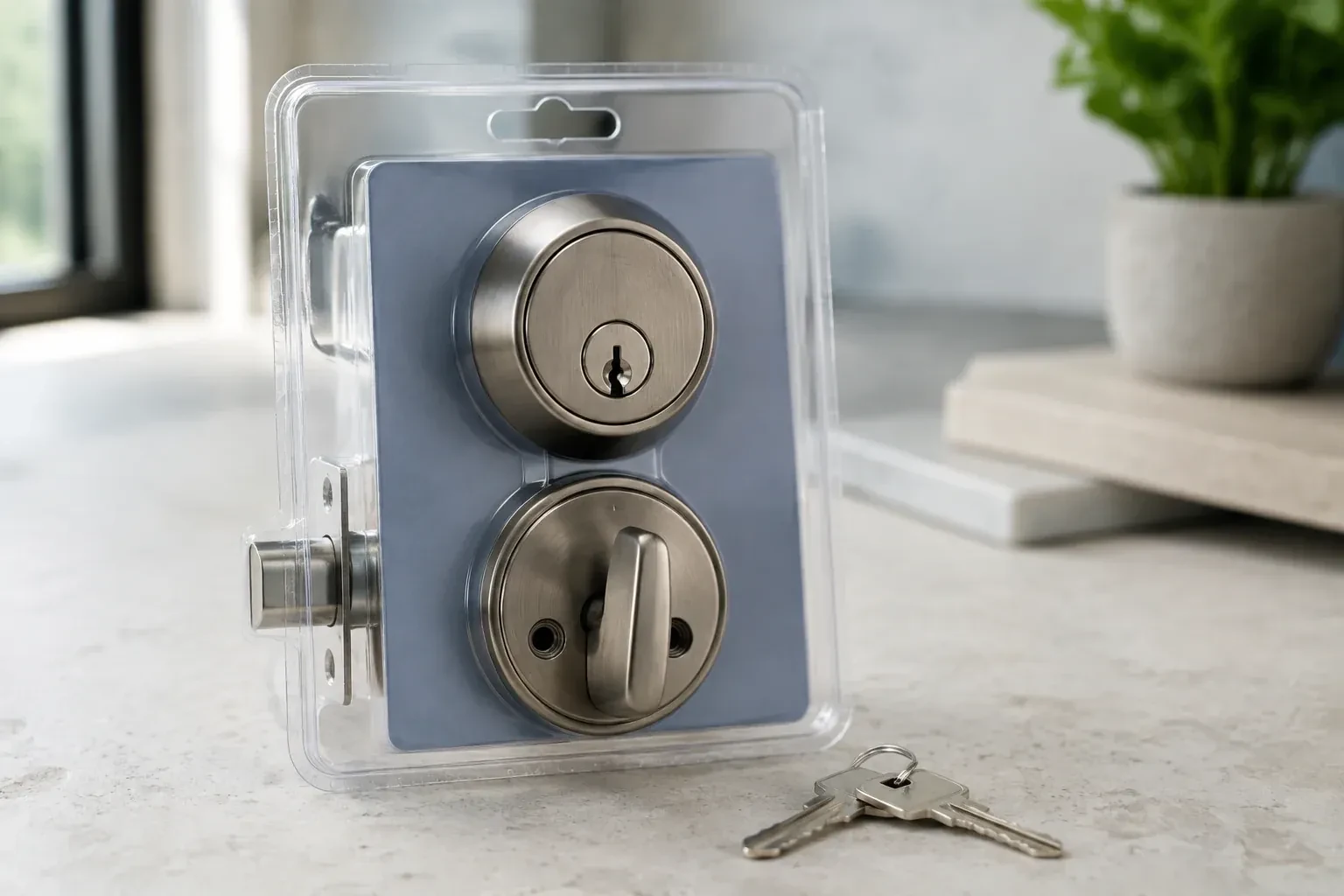
A silver-colored deadbolt set in clear packaging with two keys resting on the countertop in front. — Lock Rekeying, Falls View

Change or rekey · Falls View

Lock Rekeying

The previous owners left a coffee tin of keys on the counter, some labelled, most not. The house is yours now, but you have no idea how many copies were cut over the years or who still has one in a drawer somewhere.
In plain words

Rekeying is really about knowing who can open your door. Over the life of a home, keys are lent to trades, handed to neighbours for the holidays, given to a cleaner or a dog walker, and copied at the hardware store. Nobody keeps a list. Rekeying draws a line: from today, the only working keys are the ones counted into your hand. Good practice afterwards is simple, and a locksmith will suggest it: know how many keys exist, know who holds each one, tag them with a colour or code rather than the address, and rekey again whenever a key leaves your control.

Sound familiar?Falls View

The call
The previous owners left a coffee tin of keys on the counter, some labelled, most not. The house is yours now, but you have no idea how many copies were cut over the years or who still has one in a drawer somewhere.

NextHow the visit goes

Lock Rekeying · Falls View

How the visit goes

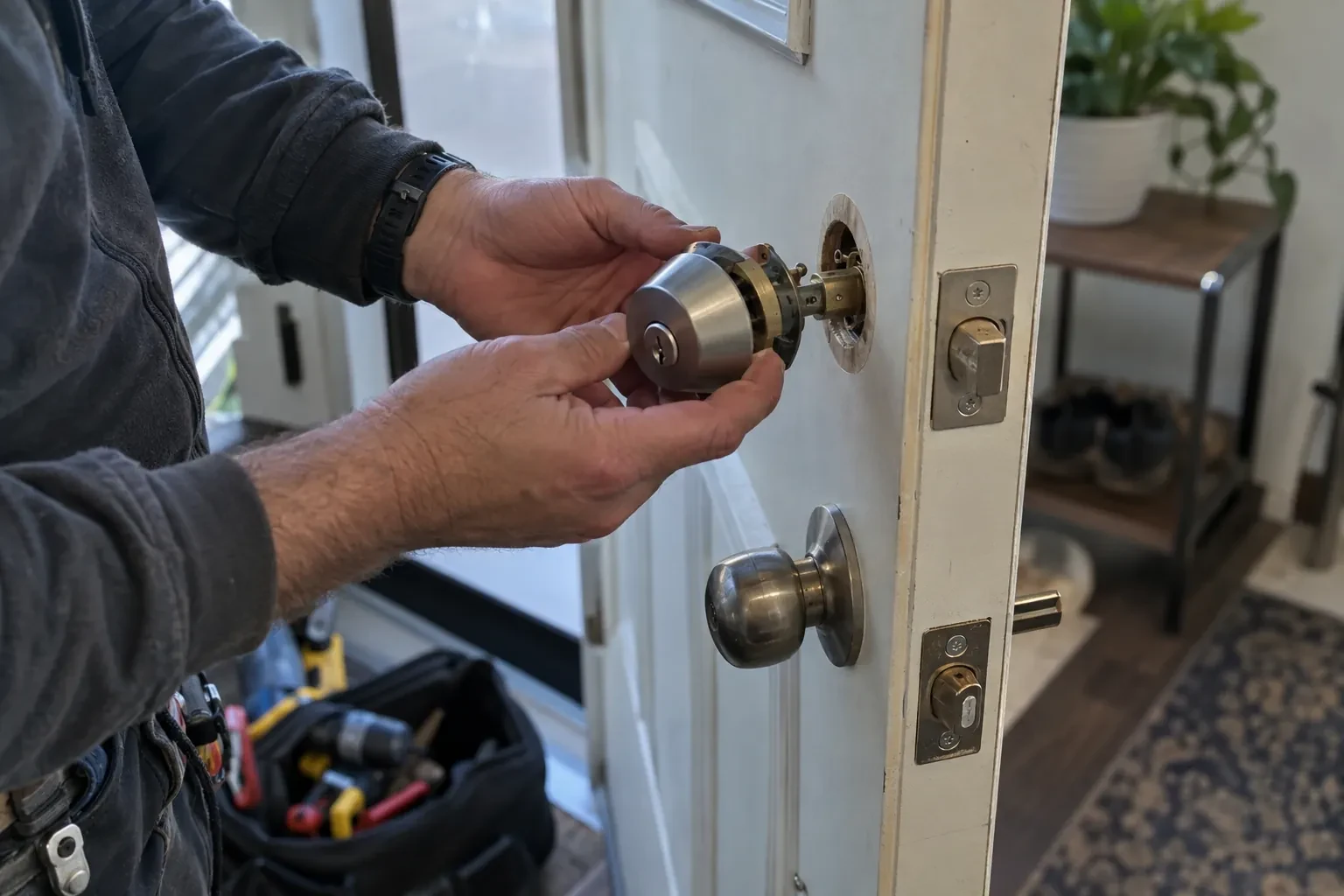
Illustrative locksmith scene — Falls View
  1. Scene 1

    Deciding the key groups

    Not every door in a home needs to answer to the same key, and the plan is written down before work starts. Most households want the exterior doors keyed alike so one key does everything. Some want exceptions: a basement suite on its own key, a home office or a storage room that visitors should not enter, a shed on a separate key that can be lent out without exposing the house. The locksmith sketches the groups with you, notes how many keys each group needs and who will hold them, and only then begins removing cylinders. Getting this straight first means no cylinder is pinned twice.

  2. Scene 2

    Sliding the plug and changing the pins

    With the cylinder in hand, the locksmith removes the cam or tailpiece from the back, inserts the existing key and turns the plug slightly so the top pins clear, then pushes a plug follower in behind the plug as it slides out. The follower holds the top pins and springs in the housing so nothing springs loose. The plug now sits on the bench with its row of bottom pins exposed, and those pins are tipped out. This is the heart of rekeying a pin-tumbler cylinder: the pins that decided which key worked are gone, and the plug is ready to receive a set that matches a key nobody has ever carried.

  3. Scene 3

    New keys, counted and tried in every door

    You finish the visit holding the only keys that work, and you know exactly how many there are. The locksmith cuts the agreed number from the fresh pinning rather than copying one from another, so each is as true as the first, and tries every one in every door it should open before handing them over. Count them, decide who in the household gets one, and put the spare somewhere you will remember. If a door was left on a separate key on purpose, that key is tagged so it does not get mixed into the house set. The whole set fits comfortably on one ring.

In the van

  • Reset tool for user-rekeyable cylinders
  • Dry graphite or PTFE lubricant
  • Cylinder shim
  • Key tags and keying record
  • Plug follower

What shapes the quoteDrummond Heights Locksmith Co.

How many cylinders are included
Each cylinder is removed, pinned and tested on its own, so a single deadbolt and a house with six exterior locks plus a shed and a gate are very different visits, and the quote follows the count.
Access to each door being rekeyed
A rekeying visit goes smoothly when every door is reachable without delay: an empty unit, a cleared hallway, or someone available to let the locksmith into each room. Locked common areas, tenants who are out, or furniture blocking a cylinder all add time the locksmith accounts for on site.
Records, tags and labelled key sets
A homeowner needs a short note. A property manager may want a keying chart, tagged sets for each suite and a key-issuance log, which is more office work and is quoted as such.

FeesSame any hour

Have it ready

Before you call · 0 / 3

(289) 271-0790

Short answers to common questions

Can all my doors be made to work with one key?

Usually, yes. Where the cylinders accept the same style of key blank, each can be pinned to one new combination, so a single key runs the front, back, side and garage doors. A lock from a different keyway family is brought into the group by exchanging its cylinder for a compatible one in the same finish. During the first walk around the property the locksmith reads every keyway and tells you up front which doors can be keyed alike.

What exactly does rekeying a lock change?

What changes depends on the cylinder. Many locks turn when a row of small bottom pins lines up at a precise level, set by the cuts on your key, and during a rekey the locksmith tips those pins out and loads a set that lines up with a different key, cut new for you; some residential cylinders instead reset a side-locking bar without removing any pins. From then on the new key operates the lock and older keys do not, and the hardware on the door stays as it was.

Will my door hardware look any different afterwards?

No. The work happens inside the cylinder, so the bolt, handle, finish and strike plate stay exactly as they are, and nothing new is cut into the door. The only visible change is the key in your hand. If a cylinder does have to be replaced, because its keyway is incompatible with the others or it has worn out, the locksmith picks one in a matching finish so the door keeps a consistent look.

Falls Viewinformation

NiagaraOntario

Town
Falls View, Niagara
In business
33 years
Hours
Open 24/7
Nights, weekends and holidays, same fees
Visits
On-site assessment preferred. Request a visit or call.

2021 census: what it means at the door

Every square is one home in a hundred.

  • 61 in 100 homes · older homes
  • About 61% of homes in Niagara Falls were built in 1980 or earlier, according to the 2021 Census.Layers of paint build up on older doors and frames, and a lock that seemed to fail is sometimes a latch glued shut by the last coat. Part of the visit in an older area is freeing hardware, cleaning the edges and checking the door swings true.
  • Single-detached houses make up about 66% of homes in Niagara Falls (2021 Census).A house has its own front door and its own frame, with nothing shared. That means the homeowner decides everything: the cylinder grade, the strike, the finish, whether to add a smart lock. The locksmith lays out the options and the household picks.

Source: Statistics Canada, Census Profile

Open Falls View in Google Maps

On-site assessment

Request a visit.

The previous owners left a coffee tin of keys on the counter, some labelled, most not.

(289) 271-0790, open 24/7.